

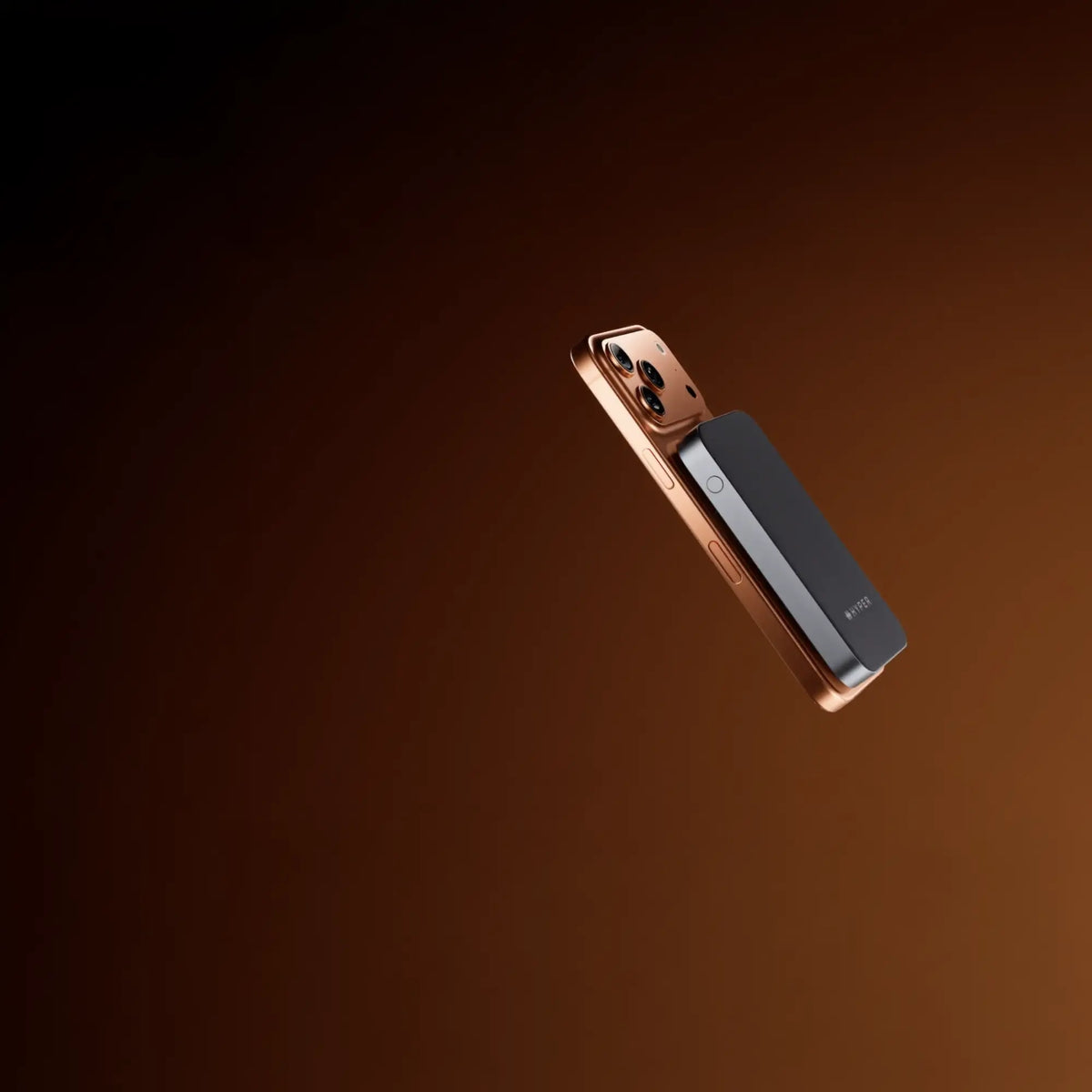
They can offer improved safety by using less liquid electrolyte, which may improve thermal stability and reduce certain risks associated with overheating and physical damage. However, the level of protection depends on the specific battery design, safety features and testing.
If you've been shopping for a power bank recently, you may have noticed a newer term showing up on some products: semi-solid-state battery. It sounds technical, but the idea behind it is straightforward: it's a newer approach to lithium-ion battery technology, designed to improve stability and address some of the safety challenges associated with conventional batteries.
So what's actually different, and does it matter? Here's a breakdown.
What Is the Difference Between Semi-Solid-State and Lithium-Ion Batteries?
Both types store and release energy the same basic way. The difference is what's inside the battery that makes this possible.
Standard lithium-ion batteries use a liquid electrolyte to move lithium ions between the battery's electrodes during charging and discharging. This is a proven technology used in most smartphones, laptops and power banks, but performance and stability can be affected by high temperatures, ageing and physical damage.
Semi-solid-state batteries use a reduced amount of liquid electrolyte combined with a more solid or gel-like electrolyte structure. This can improve thermal stability and reduce some of the risks associated with conventional liquid-electrolyte designs, while maintaining reliable everyday charging performance.
| Feature | Conventional lithium-ion | Semi-solid-state |
|---|---|---|
| Electrolyte | Primarily liquid | Reduced liquid, combined with solid or gel-like components |
| Thermal stability | Varies by cell chemistry and design | Potential for improved thermal stability |
| Leakage risk | Liquid electrolyte can leak if containment fails | Potentially reduced due to electrolyte composition |
| Battery lifespan | Depends on chemistry, usage and temperature | Potential for improved longevity, depending on design |
| Safety | Depends on chemistry, construction and protection systems | Potentially improved safety under certain conditions, depending on cell design |
Why Does Using Less Liquid Electrolyte Matter?
With a standard lithium-ion battery, the liquid can heat up and break down, release gas, or leak if the battery casing gets damaged. In the worst cases, it can make things worse if the battery overheats.
Semi-solid-state batteries reduce the amount of liquid electrolyte inside the cell. Depending on the battery design, this can reduce the risk of leakage, improve thermal stability and help limit unwanted reactions when exposed to heat or physical stress. These improvements can contribute to a safer, more stable battery design.
How Do Semi-Solid-State Batteries Improve Battery Stability and Lifespan?
Over time, chemical reactions inside conventional lithium-ion batteries gradually reduce their ability to store energy. Heat, repeated charging and aging can accelerate this process, sometimes contributing to gas generation and battery swelling.
Semi-solid-state battery designs aim to improve electrolyte stability and reduce some of these unwanted reactions. Depending on the cell chemistry and construction, this can help reduce degradation and support more consistent performance over time. However, actual battery lifespan still depends on factors such as temperature, charging habits and the quality of the battery design.

What Happens When a Battery Gets Too Hot?
Heat is one of the biggest risks for any rechargeable battery.
When a standard lithium-ion battery overheats, the liquid inside can start to break down and produce gas. In serious cases, this triggers a chain reaction where the battery gets hotter and hotter until it can no longer contain itself. Because the liquid is flammable, this can end in smoke, fire, or in extreme cases, an explosion. This process is called thermal runaway.
Semi-solid-state batteries can offer improved thermal stability because they contain less liquid electrolyte and may be less susceptible to certain heat-related reactions. This can help reduce the risk of thermal runaway under certain conditions, although the level of improvement depends on the battery's design and chemistry. They're not heatproof, and you should still avoid leaving any power bank in a hot car or direct sunlight.
Does Better Heat Management Extend Power Bank Battery Life?
Yes. Heat doesn't just affect safety — it directly shortens battery life.
Every time a battery runs warm, small changes happen inside. After hundreds of charge cycles, those changes add up and the battery holds less charge than it used to. This is just normal wear, but how fast it happens depends a lot on how hot the battery gets during use.
By improving thermal stability and reducing certain internal reactions, semi-solid-state battery technology can help limit heat-related degradation. When combined with effective thermal management, this can support more consistent battery performance over time. For wireless power banks, managing heat is particularly important because wireless charging naturally generates additional heat.
Battery Chemistry Is Only Part of the Story
A newer type of battery cell doesn't automatically make a product safer. Design, build quality, and independent testing all matter just as much.
When you're looking at any power bank, it's worth checking for:
- Built-in protections against overheating, overcharging, and short circuits
- Relevant safety certifications and testing by accredited laboratories
- Flame-retardant casing materials
- Good heat distribution inside the device - especially important for wireless chargers
- Clear watt-hour (Wh) labeling for airline travel
The safest option is one that combines better battery technology with smart product design and verified testing.
How the HyperJuice 5K Qi2 Semi-Solid-State Power Bank Puts It Together
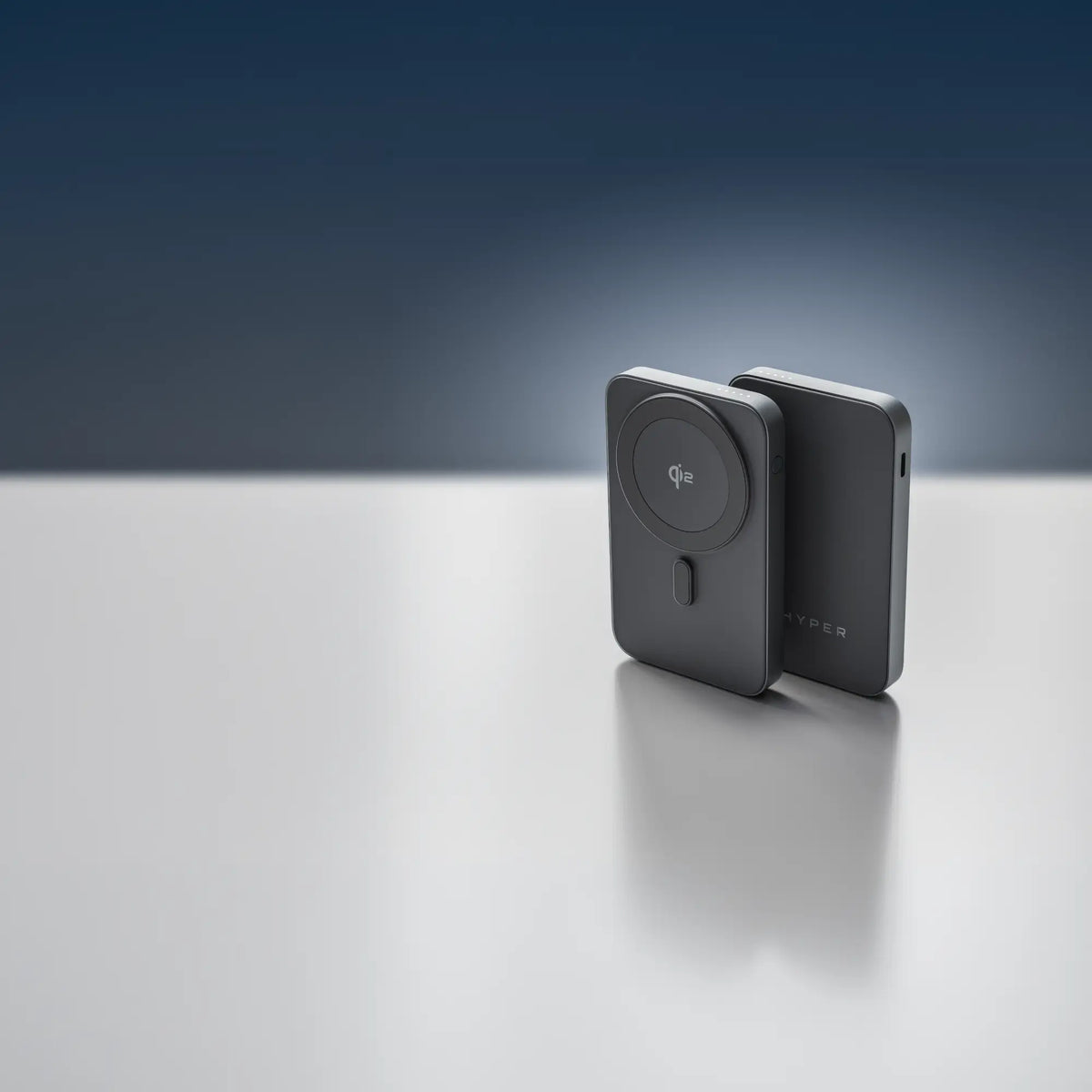
The HyperJuice 5K Qi2 Semi-Solid-State Power Bank is a good example of what this looks like in practice.
It uses a semi-solid-state battery with less liquid electrolyte than conventional lithium-ion designs, helping improve thermal stability and reduce the risks associated with heat and physical damage. Its design also supports more controlled temperatures during wireless charging.

Beyond the battery technology, the HyperJuice 5K undergoes safety tests and includes built-in protection against overheating, overcharging, overvoltage and short circuits. Its flame-retardant casing provides an additional layer of protection, helping deliver a safer, more reliable charging experience.
At a practical level, it delivers up to 15W wireless charging to compatible Qi2-enabled devices, or any USB-C device at up to 20W. With an 18Wh rating, it's well within the limit for airline carry-on.
Quick specs:
| Feature | Specification |
|---|---|
| Model | HJ7110GL |
| Battery | Semi-solid-state, 5,000mAh (18Wh) |
| Wireless charging | Qi2 magnetic, up to 15W |
| Wired charging | USB-C, up to 20W |
| Indicators | LED battery level and charging status |
| Travel | Airline carry-on compliant (18Wh) |
| Safety | Safety tests include built-in protection against overheating, overcharging, overvoltage and short circuits. Fire-retardant rating meeting UL requirements |
| Price | $49.99 |
Are Semi-Solid-State Power Banks Worth It?
Semi-solid-state batteries offer promising improvements in thermal stability and safety compared with conventional liquid-electrolyte lithium-ion designs. By reducing the amount of liquid electrolyte, they can help limit certain risks associated with heat and physical damage. However, battery chemistry is only one part of what makes a power bank safe. Good design, built-in protections and verified testing are equally important.

The HyperJuice 5K Qi2 Semi-Solid-State Power Bank brings these technologies together in a compact, travel-friendly package for $49.99.
Frequently Asked Questions
Are semi-solid-state batteries safer than lithium-ion?
Semi-solid-state batteries can offer improved thermal stability and reduced leakage risk compared with conventional liquid-electrolyte lithium-ion batteries. However, safety also depends on the battery's construction, built-in protections and testing.
Are semi-solid-state batteries still lithium-ion batteries?
Yes. Most semi-solid-state batteries are still lithium-ion batteries. The main difference is the electrolyte, which contains less liquid and incorporates a more solid or gel-like structure. They should not be confused with fully solid-state batteries.
Do semi-solid-state batteries last longer?
They can, depending on the cell design. Improved electrolyte stability may help reduce certain forms of battery degradation, but actual lifespan depends on operating temperature, charging cycles and battery construction.
Can I bring a semi-solid-state power bank on a plane?
Generally, yes. The HyperJuice 5K Qi2 is rated at 18Wh, well below the commonly applied 100Wh limit for lithium-ion batteries in carry-on baggage. Power banks must generally be carried in cabin baggage rather than checked luggage. Always check your airline's latest restrictions before travelling.
Can You Take a Power Bank on a Plane? Airline Rules Explained
Share: